Bad credit home buyers

Bad credit doesn’t mean no.

Your credit history is one part of your story — not the whole story. We help borrowers with imperfect credit find lenders who look at the full picture.

Mortgage Sense — Your home, expertly financed
The reality

Bad credit is more common than you think

Bad credit doesn’t happen because you’re irresponsible. It happens because life happens.

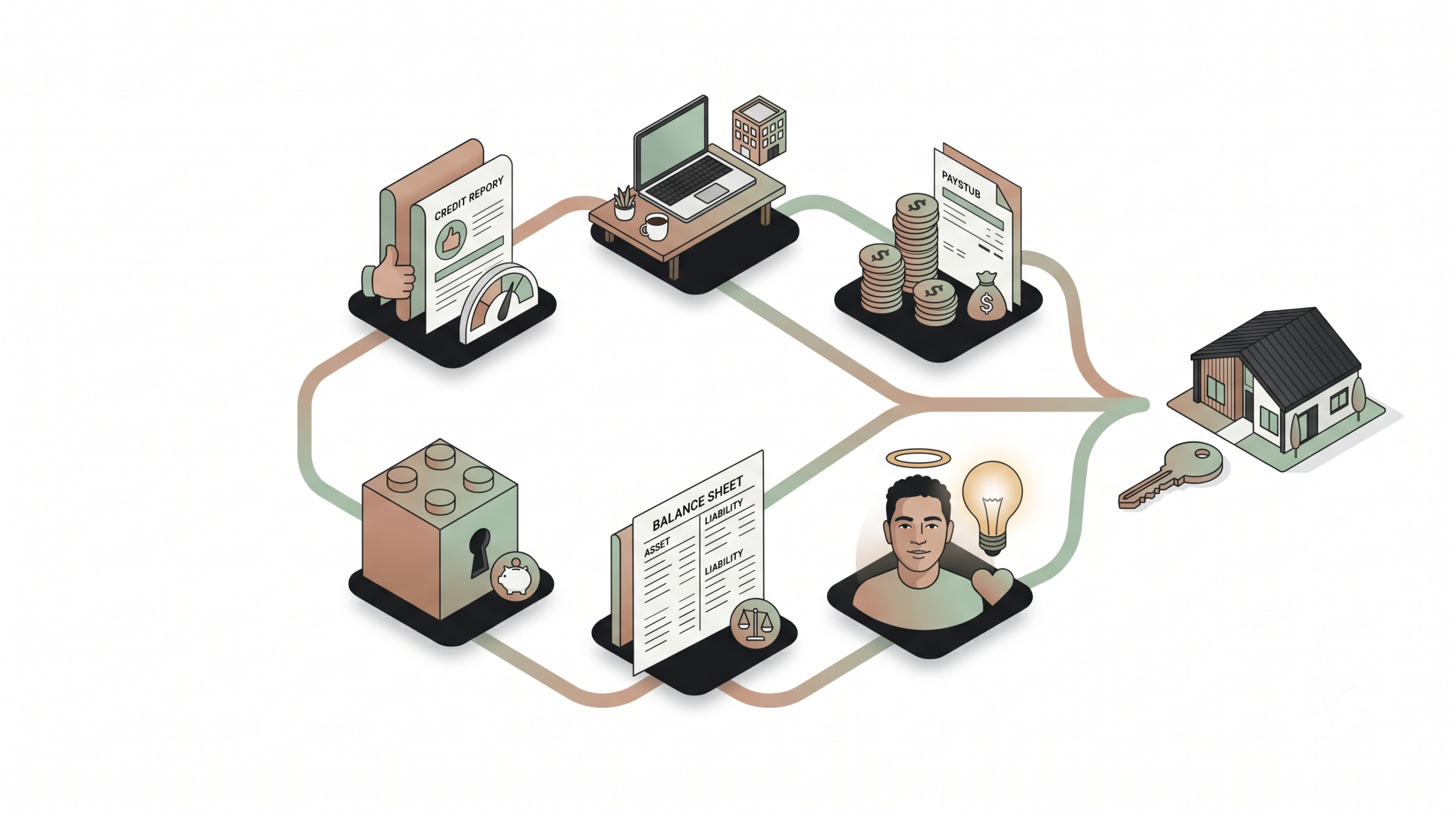
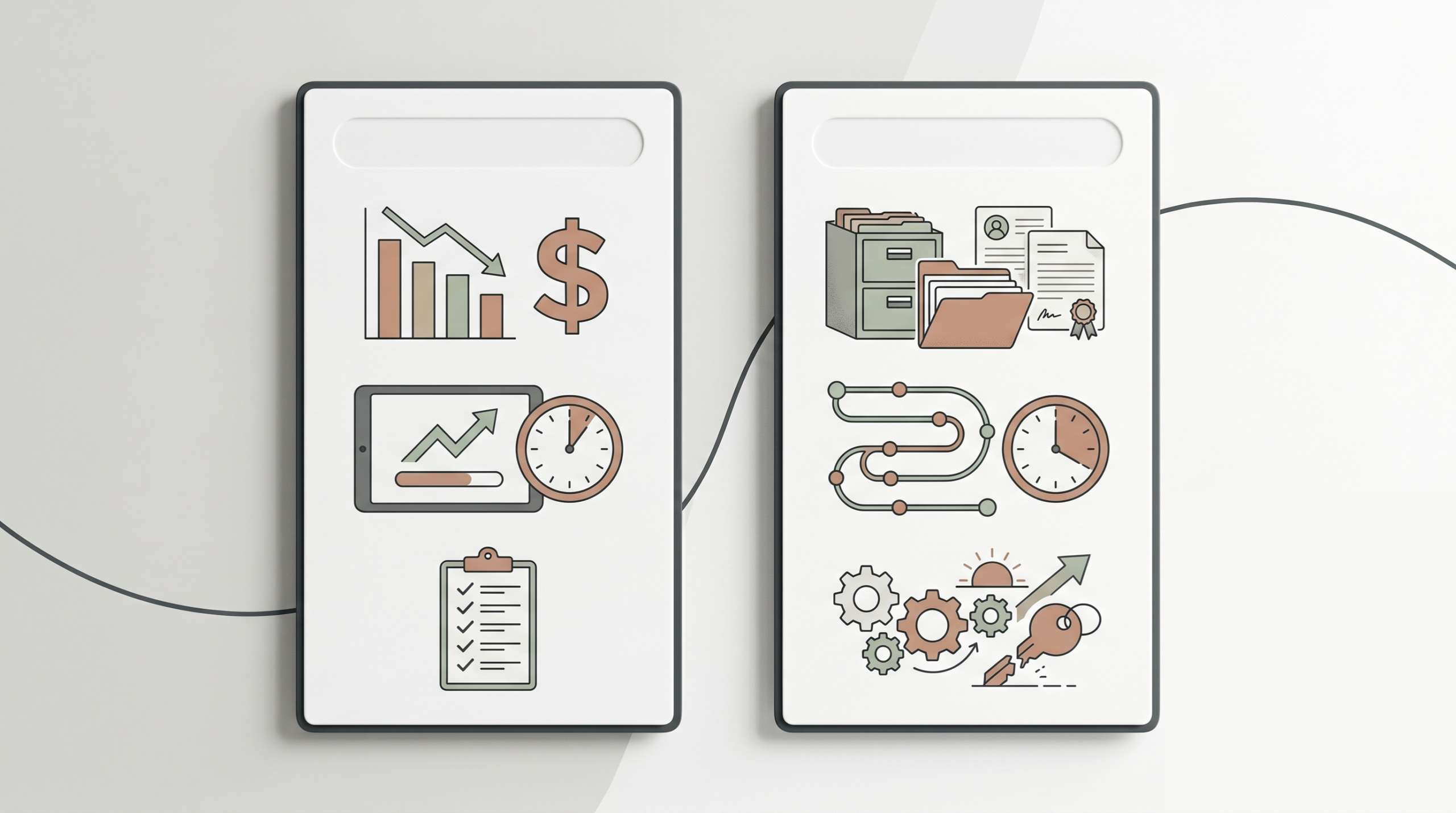
Why bad credit happens — common causes illustrated

Bad credit doesn’t happen because you’re irresponsible. It happens because life happens:

  • • A period of job loss or reduced income
  • • Medical emergency or unexpected expense
  • • Relationship breakdown and the debt fallout that comes with it
  • • A missed payment here and there during a tough stretch
  • • Credit card debt that spiralled before you got it under control
  • • An old default or CCJ (County Court Judgment) from years ago

The problem: traditional bank credit scoring is blunt. It flags the negative and forgets the context.

Lenders we work with do ask those questions. And that makes all the difference.

How lending works

Your credit score is just the start

When you apply for a mortgage, lenders assess much more than your credit number.

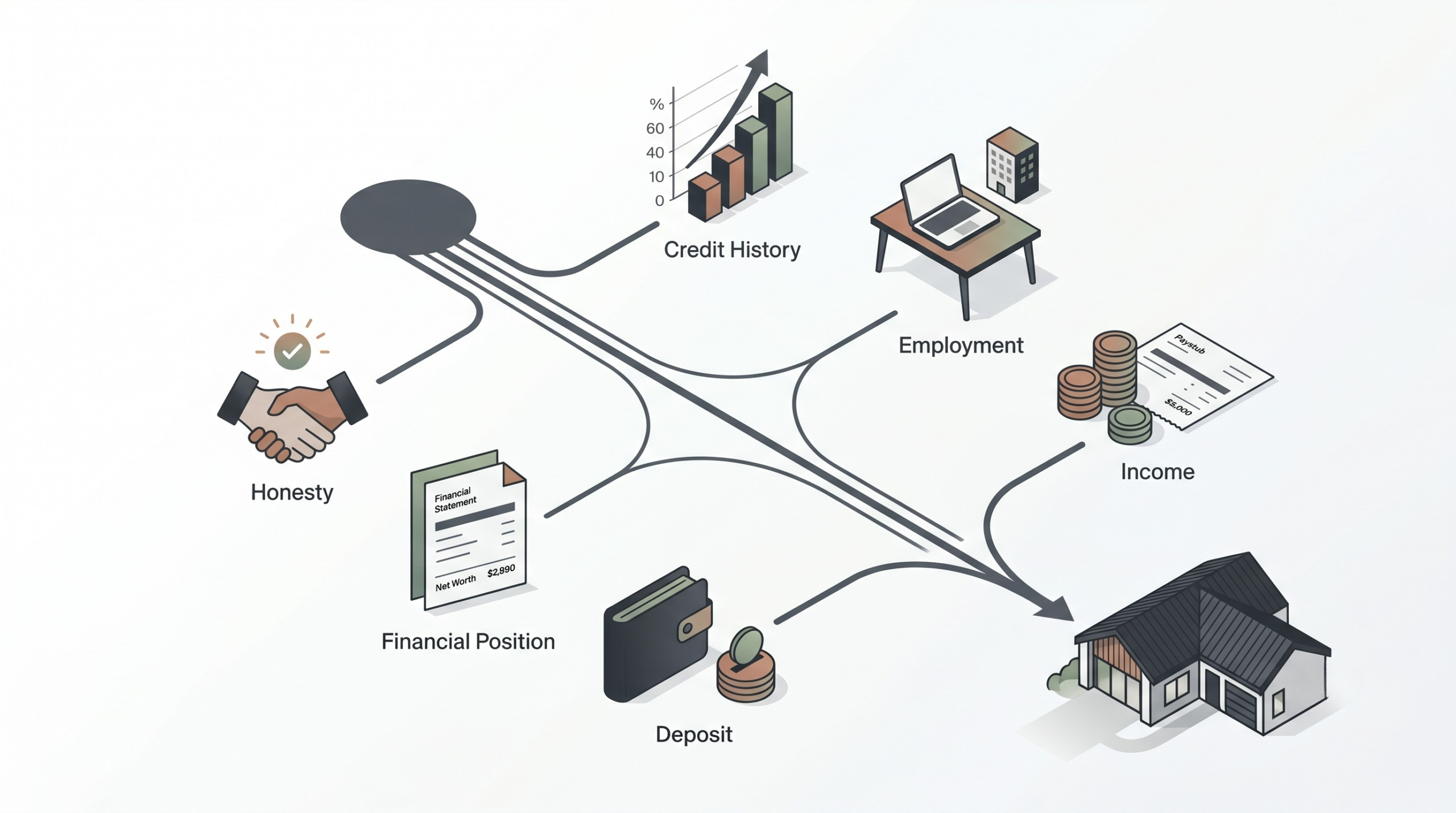
What lenders look at: credit history, financial position, income, employment, deposit, attitude — all factors in lending decisions
1

Your credit history

Yes, they look at defaults, missed payments, CCJs, and credit card debt. But they also look at how long ago these happened and whether you’ve cleaned things up since.

2

Your current financial position

Are you managing money well now? Are you employed? Are your recent bills paid on time? A default from five years ago carries less weight if you’ve been spotless for the last two.

3

Your income and stability

Can you comfortably afford the repayments? Lenders use serviceability calculations to work this out. If your income is solid and you can prove you can handle the payments, that matters more than a rough patch from years back.

4

Your employment

How long have you been in your job? Is it stable? Are you permanent, fixed-term, or self-employed? Different lenders have different risk appetites here.

5

Your deposit and LVR

The more equity you’re bringing to the table, the less risk you are to a lender. A larger deposit can offset a weaker credit history.

6

Your attitude and honesty

This matters more than people realise. If you come clean about what went wrong, explain what changed, and show you’ve got a plan, lenders respect that. If you hide things or make excuses, you lose trust.

The terminology

What “bad credit” actually means

The label is broad — but the opportunities are broader.

A recent missed payment or two

Usually manageable. Lenders want to know it was a one-off or a tough period, and that it’s resolved now.

Old defaults or CCJs

The older the better. A default from 2015 is less of a problem than one from 2023. After six years, it disappears from your credit file entirely.

High credit card debt

This shows you’re over-leveraged, but it’s often fixable. Some lenders will approve you on the basis that you’ll pay down the debt at settlement or restructure as part of the new loan.

A serious marker (CCJ, bankruptcy)

These are harder but not impossible. Specialist lenders exist for these situations. The key is how long ago and whether you’ve rebuilt since.

The point: your specific situation matters far more than the label “bad credit.”

Our approach

How we help bad credit borrowers

When you have bad credit, the wrong advice can cost you years and thousands of dollars. The right advice can get you approved when the big banks say no.

1

We assess your real position

We look at what happened, when, and what’s changed since. We don’t just look at the score; we look at your story.

2

We know the right lenders

Our panel includes non-banks, specialist financiers, and lenders with flexible credit criteria. Most borrowers don’t know these exist.

3

We structure your application properly

There’s a right way and a wrong way to present a bad credit history to a lender. We present the facts in the best light, with context and honesty.

4

We manage lender expectations

Different lenders have different risk appetites. We match your situation to lenders who are open to it.

5

We keep you in the loop

The process can feel uncertain and stressful. We keep you informed about what’s happening and what to expect.

6

We get you the best terms available

Interest rates for bad credit borrowers vary wildly. A 1% difference in rate costs you tens of thousands over 25 years.

Real client success stories — how we've helped bad credit borrowers get approved
Real outcomes

How we’ve helped others

Bad credit doesn’t lock you out. But you need the right adviser and the right lender.

Scenario: Missed payments during redundancy

Challenge: The default is still showing on credit file, even though employed again for 18 months with no late payments since.

Solution: We found a lender willing to focus on the last 18 months of good behaviour and the current stable employment. Pre-approval issued. Subject to lender assessment.

Scenario: High credit card debt + self-employment

Challenge: Credit utilisation is high. Banks see this as a red flag. Self-employment adds another layer of complexity.

Solution: We structured the application to show business profitability and explained the debt was historical. Found a lender willing to approve on the condition that credit card was cleared at settlement. Approved.

Scenario: Old CCJ from relationship breakdown

Challenge: The CCJ is old, but it’s still showing on the credit file and still scares traditional lenders.

Solution: Specialist non-bank lender willing to look past the age of the judgment and focus on five years of good behaviour and solid employment since. Approved with a slightly higher rate, but approved.

Your mortgage journey

How the process works

From your first conversation to settlement and moving in — we guide you every step of the way.

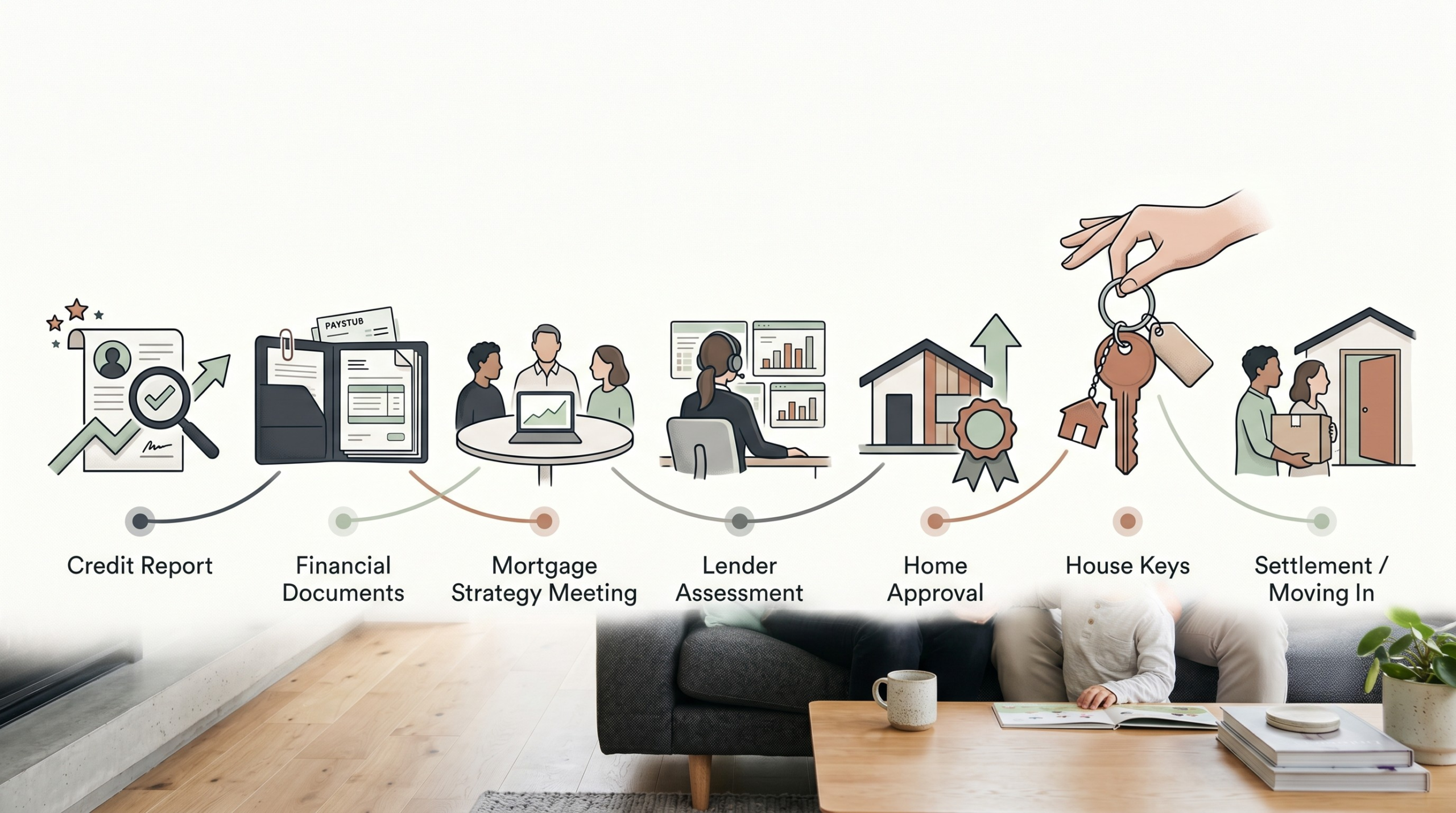
The mortgage journey process: credit report, financial documents, strategy meeting, lender assessment, home approval, house keys, settlement
Be realistic

What it will cost you

If you have bad credit, you need to know what to expect.

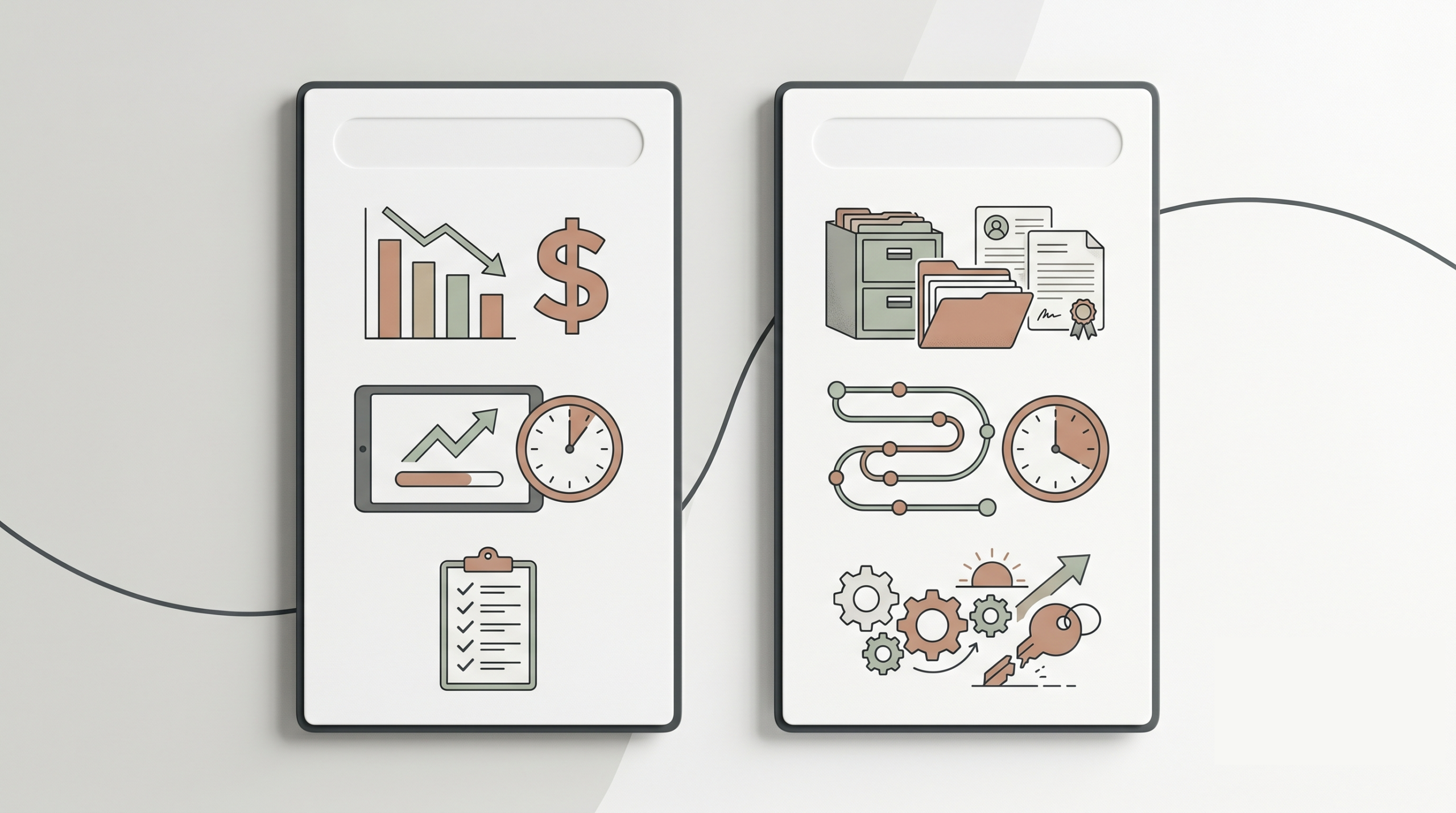
Bad credit lending trade-offs: higher rates, stricter criteria, longer approval, need to improve first — but all temporary
1

Higher interest rates

This is usually the biggest trade-off. A borrower with excellent credit might get 5.5%. A bad-credit borrower might get 6.2–7.0%, depending on the lender and situation. That’s a real cost over 25 years.

2

Stricter lending criteria

You might need a larger deposit, a co-borrower, or a guarantor. You might need to clear some existing debt before approval. You might not be able to borrow as much.

3

A longer approval process

Bad credit applications take more due diligence. Expect 2–3 weeks longer than a standard application.

4

Potential requirement to improve first

Some lenders will only approve you after you’ve cleared debt or spent 6–12 months building a clean payment history. This is negotiable with the right adviser.

The good news: none of these are permanent. Once you’re approved and settled into your mortgage, you’ve got 3–5 years to rebuild your credit. After that, you can refinance at better rates with better lenders.

Be transparent

Costs and fees

We believe in honesty about what things cost. Here’s what you need to know.

Lender fees

Different lenders charge different fees for processing, valuation, and settlement. We’ll disclose all lender fees upfront as part of your pre-approval documentation so there are no surprises.

Note: Lender fees vary and are subject to individual lender assessment and criteria.

Adviser fees & commissions

Our service is free to you in most cases — we’re paid a commission by the lender when your mortgage settles. For full details about how we’re paid, any fees that may apply, and our conflicts of interest, please review our Disclosure Statement.

Read our full fees and commissions policy →

Common questions

FAQ

The questions we hear most often — answered in plain English.

How bad does my credit have to be before you won’t help?+
We’ve helped borrowers with CCJs, defaults, and serious credit issues. There’s almost always a lender willing to look at your case. It depends on how old the issue is, what your current situation looks like, and whether you’re honest about it.
Will applying with you damage my credit further?+
When we make a credit inquiry on your behalf, it shows on your file. But it’s marked as a “mortgage inquiry” rather than multiple applications, which is less damaging. Applying to five banks directly would hurt you far more than working through us.
How long does it take to get approved if I have bad credit?+
Typically 2–4 weeks from submission to pre-approval, depending on the lender. It’s longer than a prime borrower, but not months.
Can I improve my bad credit before applying?+
Absolutely. If you’ve got time, spending 6–12 months building a clean payment history, paying down debt, and stabilising your employment can dramatically improve your chances and the rates you’ll get. We can outline what would help most in your case.
What if I get declined by a lender?+
We have other lenders in our panel to try. Decline by one lender doesn’t mean game over. It just means we’ve found out what that lender’s risk appetite is and we move to the next one.
Will I have to pay a higher interest rate forever?+
No. Once you’re approved and have a clean mortgage payment history for 3–5 years, you can refinance with a better lender at a better rate. Bad credit is temporary if you treat it that way.
Let’s talk

Ready to find out what’s possible?

Bad credit is a bump in the road, not the end of it. Let’s have a free chat about your situation and work out a plan.